
Untitled design (62)

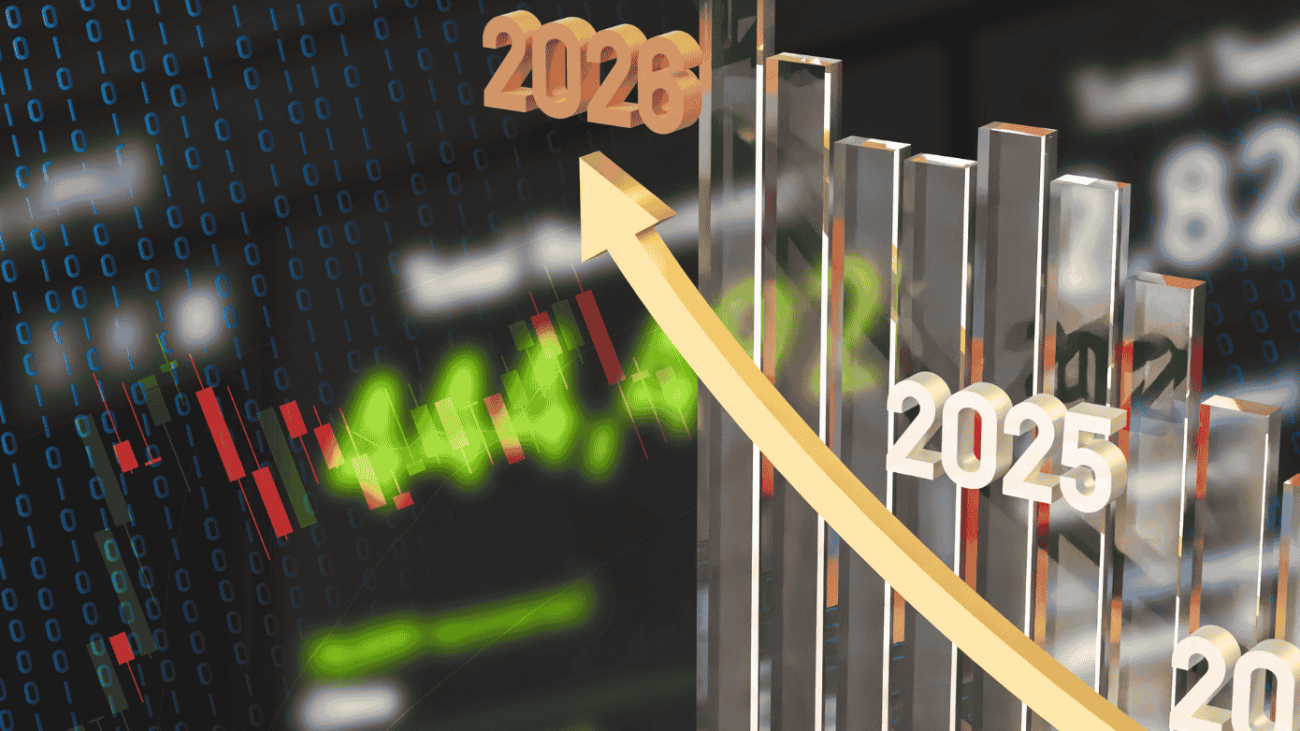
Top Trends in Web Design for 2026

Introduction:
Web design is constantly evolving. Staying updated with the latest trends ensures your website looks fresh, modern, and relevant. Here are the top web design trends for 2026.

Main Content:
1. Minimalism and Clean Design
Less is more. Clean layouts with ample white space help users focus on content and improve readability.

2. Dark Mode Options
Dark mode is easier on the eyes and has become a popular choice for user interfaces, improving accessibility and reducing eye strain.

3. Bold Typography
Big, creative fonts make a statement and guide users through your content. Typography is now a major design feature.

4. Micro-Animations
Subtle animations for buttons, scrolling, and hover effects make websites feel interactive and engaging without slowing them down.

5. AI-Powered Features
Chatbots, smart forms, and personalized recommendations enhance user experience and make websites more functional.

Conclusion:
Adapting your website to the latest design trends helps it remain modern, engaging, and user-friendly. Incorporating clean layouts, bold visuals, and interactive elements will keep your audience coming back.
Untitled design (61)

How to Make Your Website Mobile Friendly

Introduction:
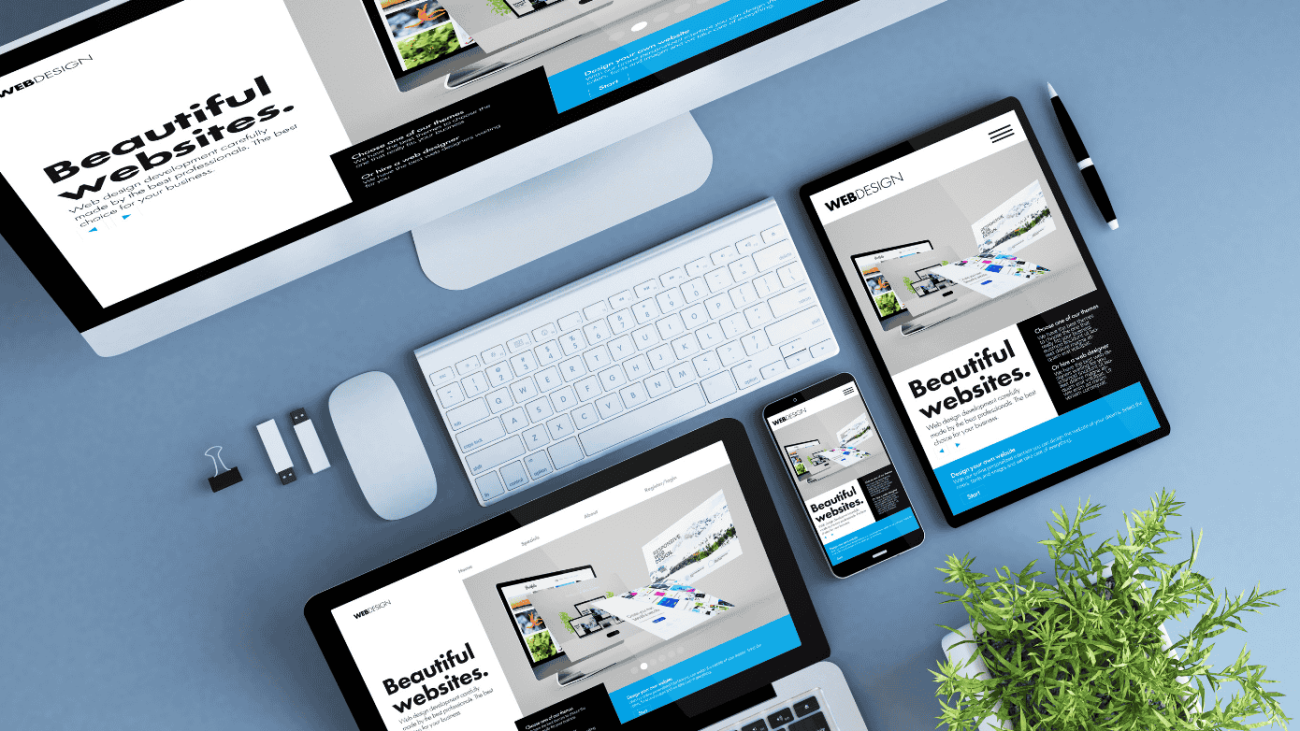
More than half of all web traffic comes from mobile devices. A mobile-friendly website isn’t optional—it’s a necessity. Websites that aren’t optimized for mobile lose visitors, leads, and rankings on search engines.

Main Content:
1. Use Responsive Design
Responsive layouts automatically adjust to different screen sizes. This ensures your site looks good on smartphones, tablets, and desktops without extra effort.

2. Simplify Navigation
Mobile users prefer simple menus and clear buttons. Reduce clutter and make it easy for visitors to find what they need quickly.

3. Optimize Images and Media
Large images slow down your site, especially on mobile networks. Compress images and use modern formats like WebP for faster loading.

4. Test Across Devices
Regularly check your website on multiple devices to ensure all features work correctly. Tools like Google’s Mobile-Friendly Test can help identify issues.

Conclusion:
A mobile-friendly website improves user experience, boosts search engine rankings, and increases engagement. Optimizing your site for mobile is essential for modern digital success.

Untitled design (60)

Why Graphic Design Matters for Your Brand

Introduction:
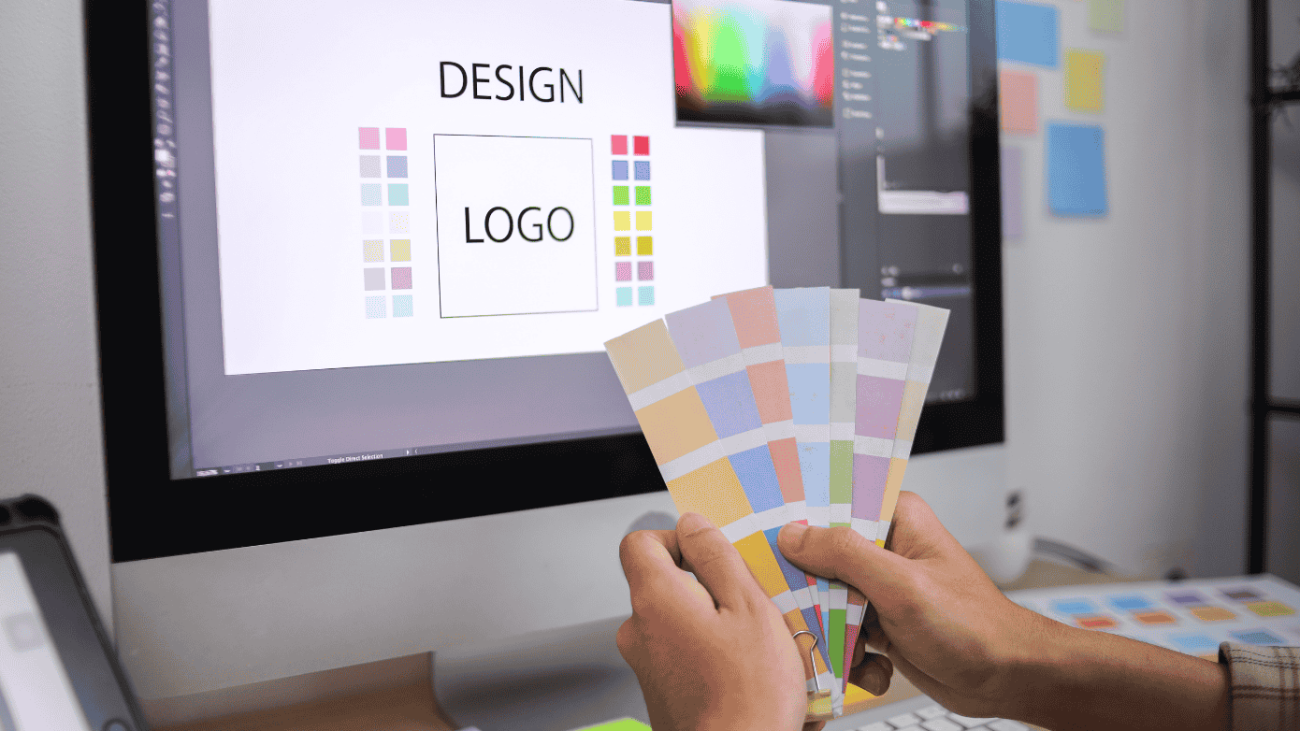
Graphic design is more than aesthetics—it’s a crucial part of your brand identity. From logos to marketing materials, strong design communicates your message clearly and builds trust with your audience.

Main Content:
1. Branding and Recognition
Consistent design helps people recognize and remember your brand. A strong logo, color scheme, and style make your business look professional and trustworthy.

2. Communication Without Words
Visuals can communicate messages faster than text alone. Infographics, banners, and graphics help explain complex ideas in an easy-to-understand way.

3. Attracting and Engaging Your Audience
Eye-catching graphics grab attention and keep users engaged. Well-designed content increases the chances of visitors interacting with your website or social media.

4. Supporting Marketing Campaigns
Every ad, email, or social post benefits from professional design. Consistent visuals make campaigns look credible and cohesive across all channels.

Conclusion:
Investing in graphic design is investing in your brand. Strong visuals not only look appealing but also strengthen communication, credibility, and audience engagement.

Untitled design (59)

5 Key Elements of Modern Web Design

Introduction:
In today’s digital world, your website is often the first impression your business makes. A modern, user-friendly website can attract more visitors, increase engagement, and build trust with your audience. Understanding the key elements of modern web design is essential for any business looking to stand out online.

Main Content:
1. Clean and Minimal Layouts
A clutter-free design helps users focus on your content and navigate easily. Minimal layouts reduce distractions and improve readability, making your website feel professional and modern.

2. Responsive Design
With mobile traffic increasing, your website must look and work perfectly on all devices. Responsive design ensures a seamless experience on phones, tablets, and desktops.

3. Fast Loading Speed
Users expect websites to load quickly. Optimizing images, reducing heavy scripts, and using good hosting improve speed, which also helps with SEO rankings.

4. Clear Calls to Action (CTA)
A strong CTA guides visitors toward the actions you want them to take, whether it’s signing up, contacting you, or purchasing a product.

5. Visual Hierarchy and Typography
Effective use of headings, fonts, and spacing makes your content easy to read and visually appealing. Consistent typography and strategic placement of elements guide users naturally through your website.

Conclusion:
Modern web design is about more than just looking good—it’s about creating a seamless experience for your users. By focusing on clean layouts, responsiveness, speed, and clear communication, your website can become a powerful tool for growth.